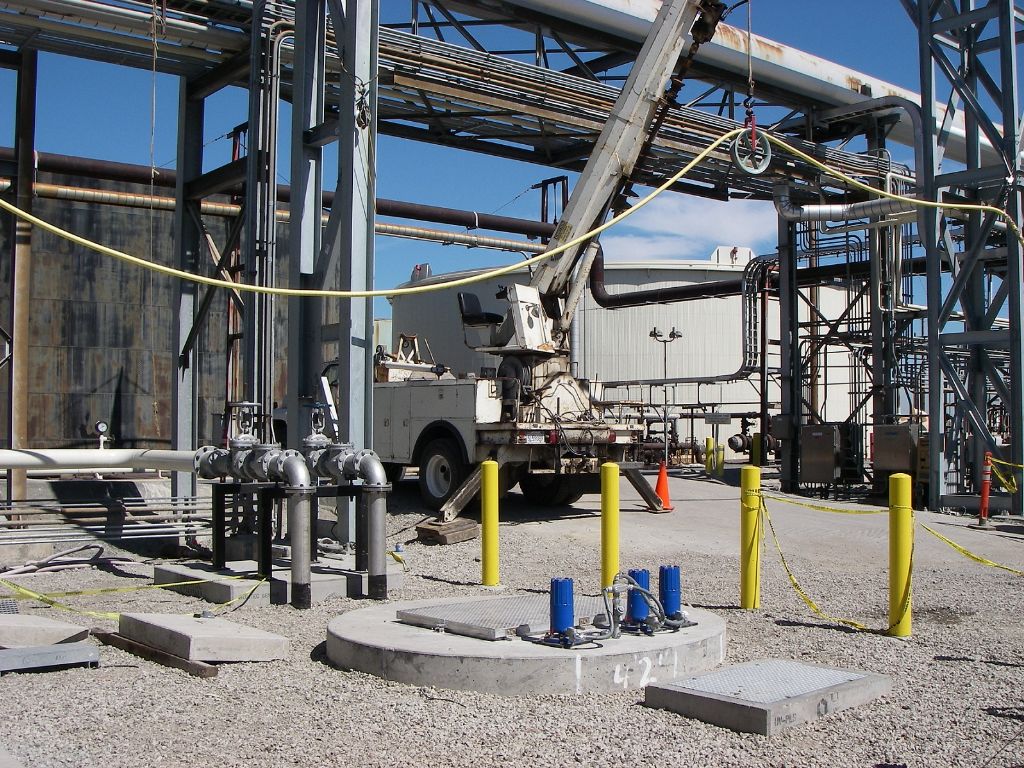
While a pumping station appears as a simple structure from the exterior but in reality, every project is unique. A site might need to transport wastewater uphill from a newly constructed housing development, while another could need to ensure water pressure is maintained across commercial properties due to changing elevations and a growing demand. Certain projects are industrial, some are municipal. Each site has their own set of requirements for designs, regulations, and long-term goals.
Pumping systems aren’t designed to suit every situation. The station that succeeds must take into consideration the specifics of the area. This includes rate of flow, the requirements for ownership as well as the future of any property it will serve. Romtec Utilities works from that perspective, designing each package pumping system according to the exact needs of the project rather than forcing the project to fit an unspecific system.
Good design for pumping is about more than moving water
At its heart, the purpose of a pumping station is to move water or wastewater in cases where gravity alone is not able to do the job. A pumping system that performs is not good enough. It has to be efficient and reliable, as well as simple to use, and compatible to local and state regulations. It should work in real-life and not only on paper.
This includes everything from structural designs and wet-well size, to electronic systems, communications equipment and access for maintenance teams. The system could be afflicted by operational issues for years if even one element is not thought of in a proper manner. Engineers and owners alike appreciate working with the most qualified lift station engineers. Experience is essential when trying to manage the hydraulic performance, durability over time budget, and limits of the site.
Romtec Utilities brings these areas together under one umbrella. Instead of requiring customers to connect with a variety of vendors to manage different aspects of the station Romtec Utilities takes care of the mechanical, structural, electrical, and communication components as a whole. This single-source solution can make it easier to plan the design stage, decrease confusion during procurement and smooth out installation.
When properly designed, package pumping systems can simplify the process.
A packaged pumping system makes infrastructure projects as it combines key elements into one integrated solution. The real value is in how the system has been designed. Systems that are not designed to be compatible can lead to issues with performance, over-sized equipment unneeded maintenance expenses or even longer-term issues.
Romtec Utilities views each package more as a complete solution rather than simply a typical item. This means that the specific site requirements will decide which pumps, controls valves, enclosures, and piping will be most suitable for. Also, it is important to think about how the system is monitored, how the operators will get access to it and how it will be efficiently maintained throughout its lifespan. In the case of utility infrastructure, careful coordination in the initial stages of design can often avoid bigger issues later on.
Booster pumps solve a completely different type of infrastructure issue
Every project may not be about water. In many cases, ensuring the pressure of water is just as important as moving sewer. This is where booster pump stations play a critical role. They are built to ensure that water is moving smoothly through a distribution system when elevation changes, long pipe runs or peak demand would otherwise create pressure problems.
Booster systems often require a different type of design method because they might include control buildings, variable frequency drives, SCADA integration, telemetry and architectural considerations depending on the specific site. Romtec Utilities creates these stations with the customized mindset which is utilized to design wastewater systems. This guarantees that the final result will be functional as well as operationally.
A better planning will yield better results over the long term
Romtec Utilities offers early design assistance to customers. This is among its most valued features. Early design and engineering help enable project teams to know the potential size, configuration and costs of a system before getting too much into procurement or construction. This can make a huge difference for developers, consultants and public agencies who are seeking to keep projects in line with budget and on time.
The right design plan is essential to achieving success. A good design partner will be more than merely provide the equipment. They aid in shaping a design that is reliable, works with the site, supports the owner’s goals, and stands up over time.
The most reliable systems for utility work are usually the ones that aren’t noticed by the public. observe because they are simply working. This kind of dependability seldom happens on accident. It’s the result from thoughtful engineering, strong coordination and the ability to build each system around the real demands of the task.