An aging pump station can be shut down before it’s in trouble. Even though it is able to transport stormwater and wastewater on a daily basis it could struggle to meet peak demand. It might also require frequent maintenance. While the equipment is in use, its original design might not be adequate for the current climate.
For municipal governments, developers and facility operators, recognizing that difference is an important part of planning improvements to infrastructure.
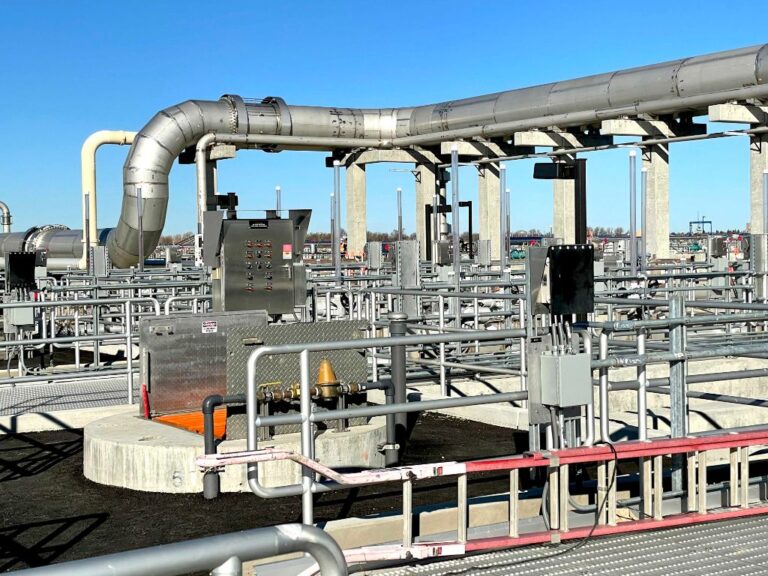
Image credit: romtecutilities.com
It is important to look beyond the equipment that’s not working properly.
The retrofit of a wastewater lift station should start by evaluating the entire system and not just the pump. Engineers should evaluate the wetwell, mechanical equipment and electrical components. They must also take into consideration discharge pipes as well as the current needs for pumping.
The condition of the wet well is of particular importance. If its structure is solid it might be possible to retain it while replacing outdated equipment. This will reduce the amount of construction needed when compared to building a completely new station. However, maintaining existing infrastructure only makes sense to support the enhancements that are planned.
The service area has changed.
The wastewater plant that was constructed years ago can be used to serve many more households, businesses as well as industrial processes.
The changes could impact the flow rate and operating requirements. Successful lift station rehabilitation therefore requires more than restoring the original equipment specifications. Engineers should assess their current and future flows, the total dynamic head, equipment capacity, and operational reliability.
A bigger pump may not be the solution. The new machine must be compatible with the existing pipes as well as electrical power supply and control. If one component is upgraded, it can cause problems with other parts.
The criteria for stormwater retrofits for priority are different
Retrofitting a stormwater pumping station requires additional considerations as runoff patterns may be affected by rainfall and adjacent development. A station that is connected to an detention pond may have distinct inflow patterns compared to one receiving water directly through storm drains. Any changes to drainage infrastructures like new pavement or expanded parking lots, may affect the frequency and quantity of water that is allowed to flow into the station.
Before recommending a major upgrade of the stormwater pump, engineers should review the contributing drainage areas, peak flows expected and the storage capacity available, discharge conditions and the pump’s performance.
The findings will help you determine if the station needs to be rebuilt or what the best option is to modernize equipment.
Plan your construction before you interrupt service
How the station will operate during rehabilitation is a question which is frequently ignored. The general rule is that wastewater systems cannot be shut down without a plan to control flow.
Construction may include installing temporary bypass pumps, or the replacement of infrastructure near the operating station.
The system may be needed in the event of an unexpected downpour. The engineering plan must contain the installation process, temporary operations and equipment integration.
The completed System is much easier to use
Romtec Utilities is a provider of site-specific engineering, supply and solutions for wastewater and Stormwater Pumping Applications.
The company’s retrofit strategy identifies which structural, mechanical, electrical, and communication components should be left in place, and which will require replacement. The company gives owners initial designs and budget estimates to assist them in evaluating their project options.
Following installation, tests for startup the commissioning process, as well as training for operators are important to ensure that the newly renovated station operates in accordance with its specifications. Operators must be able to manage and comprehend the system after a successful rehabilitation project.
Upgrade Your System and Not Limit Its Upgrades to the Age
A pump station that is older might not require to be replaced completely. Even if the electrical and mechanical components are outdated, some structures can still be beneficial for years to come. The important decision is identifying what is safe and economically while ensuring that the completed station is able to meet current and future requirements.
By looking at operating conditions, structural strength, hydraulic requirements and the construction limitations together owners can make more informed investment decisions.
The objective in upgrading an older system is not to just make it function again. It’s about making sure that the new system is well-equipped for the work ahead.