Imagine trying to fit a new hairstyle into a Saturday filled with errands and family commitments. The inspiration photo may already be saved, yet practical questions remain: how much chair time should you allow, what should you do before arriving, and what will everyday upkeep involve? A packed weekend can make even a carefully planned hair appointment feel like a race against the clock. When the weekend is already crowded with commitments, the practical details of a braiding appointment deserve attention before you arrive.
Excitement about a hairstyle can push planning questions into the background. At WOW African Hair Braiding Bissonnet, customers can consider knotless styles, classic box braids, cornrows, and children’s braiding. Comparing those choices ahead of time can make your visit smoother and help you select a result that fits your preferences. A clear understanding of the options can turn an uncertain booking decision into a well-informed appointment. Comparing styles before booking helps separate what looks appealing from what you can comfortably maintain. Knotless braids, box braids, and cornrows can differ in their appearance and upkeep, even when photographs seem similarly polished. The choice between cornrows and free-hanging braids involves more than which photo you prefer. A useful consultation should cover the practical details of installation alongside appointment length and preparation.
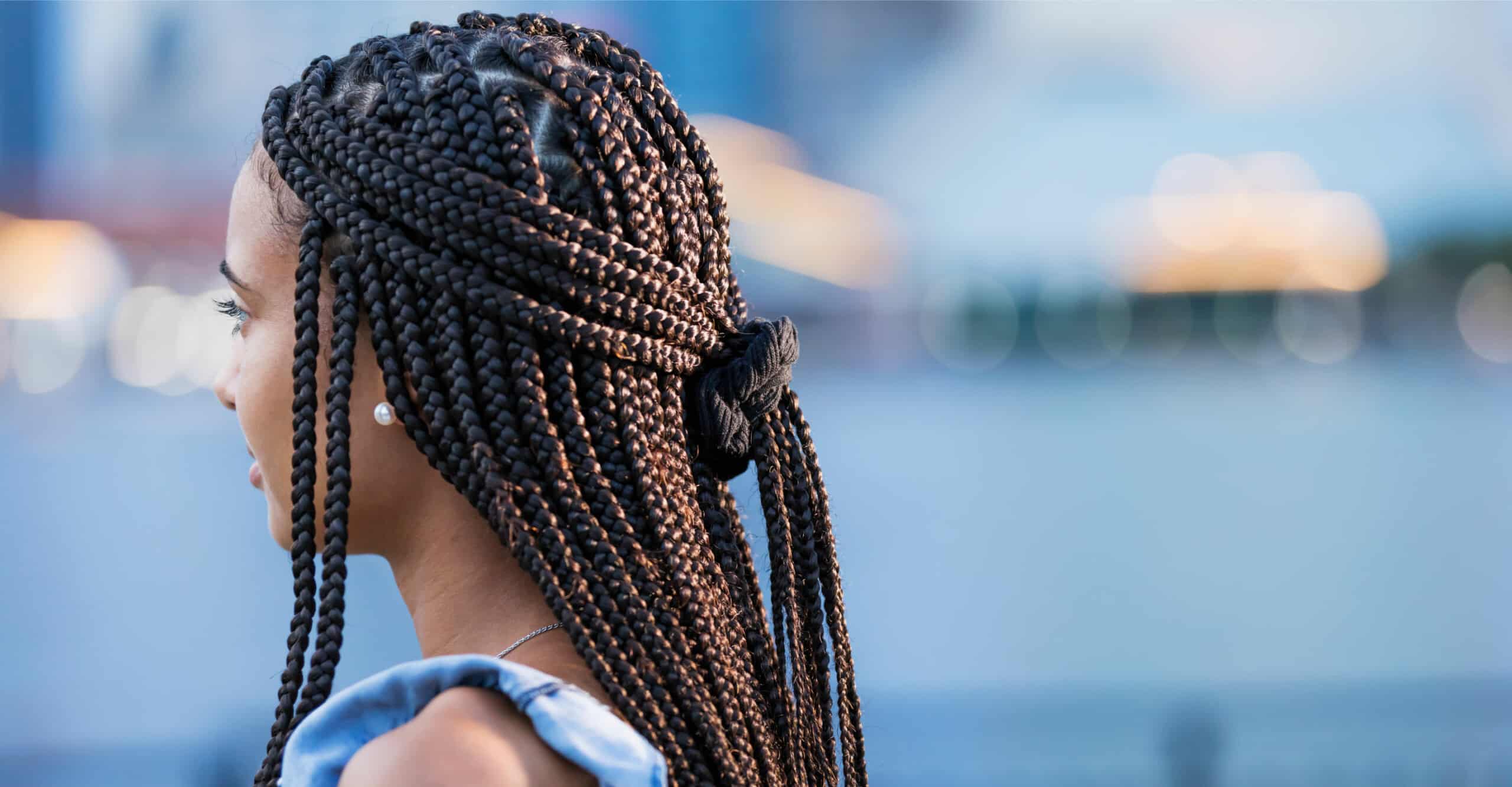
What to Do Before Sitting in the Braiding Chair
Thoughtful planning often makes the appointment easier. Start by choosing a hairstyle that works with your natural hair, desired length, and everyday activities. Bring sample images that clearly show your preferred braid size, parting arrangement, and overall finish. Reference photos work best when they show more than the overall silhouette, including the way the braids frame the face. A single picture may not communicate whether you prefer a subtle or bold pattern, so several examples can help avoid assumptions. Your natural hair’s density and sensitivity should be part of the decision, not an afterthought. A hairstyle that works for one person may need adjustments in weight to suit someone else’s hair. Even a brief discussion about washing and detangling can help make the appointment less stressful.
Braid size deserves special attention. Smaller braids usually involve more individual sections, which can increase installation and removal time. Medium braids offer a balance of detail and versatility, while large braids create a more pronounced look with fewer sections. Smaller sections can create a more intricate overall look, but that detail usually involves more sectioning work. A photograph of tiny braids may emphasize the polished result without showing the effort required for removal. For some customers, medium braids strike a balance between appearance and convenience. The appeal of a medium-sized style often lies in its moderate section count, rather than a highly intricate pattern. Large braids may look bold and graphic, yet their suitability still depends on the desired length and tension.
A consultation at a knotless braiding salon in Bissonnet can clarify the trade-offs among sizes. Still, braid dimensions are only one consideration: extension weight, finished length, scalp comfort, and everyday styling choices can change how a look feels. Two people requesting the same braid size may experience different levels of comfort because their scalps and routines differ. Even when the requested size is clear, details such as how the braids will be worn can change which option is appropriate. If you regularly tie your hair into updos for work, mention that habit because repeated pulling can affect the edges. Everyday habits, including exercise routines, can influence whether a proposed style feels easy to manage. A conversation about these practical factors helps a stylist understand which trade-offs matter most before installation begins.
Comparing Cornrows, Box Braids, and Knotless Styles
There is no single braiding technique for every preference. Traditional box braids offer clearly separated braids; knotless installations feed in extensions to achieve a smoother root transition. Scalp-hugging cornrows lie along the scalp and range from uncomplicated straight-back styles to elaborate designs. Traditional box braids are often recognized by their clearly separated sections, while knotless styles use a different approach to adding hair. The difference between traditional box braids and knotless braids is not merely a trend; it includes the transition near the roots.
Clients seeking box braiding services in Bissonnet should consider how much styling flexibility they want and how much time they can devote to maintenance.
Someone who frequently wears updos may have different priorities from someone who prefers leaving their braids down. The right choice depends on your hair and lifestyle rather than whichever style happens to be trending. A customer who leaves braids loose may prioritize finished length and movement, while someone who ties them up often may focus on how the style handles frequent rearranging. For people who regularly wear buns or ponytails, the relationship between length and everyday movement deserves attention.
A Neat Style Should Not Mean Pain
A braided hairstyle is not automatically protective. How it is installed, worn, and cared for determines whether it supports your hair’s needs. The word protective describes how hair is managed, not a guarantee that every installation is gentle. Braiding can reduce some daily manipulation, but that does not mean tension is harmless.
Too much tension can cause irritation of the scalp and may contribute to breakage or a condition known as traction alopecia. Repeated or excessive pulling can damage hair and contribute to a condition known as traction alopecia. Avoid putting additional tension on freshly braided hair through firmly secured updos. Traction alopecia is associated with repeated pulling on the hair, which is why pain should not be dismissed. A polished braid pattern should never depend on persistent pain; these symptoms warrant immediate communication. Freshly installed braids can be placed under more strain when secured in firm ponytails. The way you wear your braids afterward can affect hairline comfort. Tell the stylist about sensitive areas before the work begins, and speak up during installation.
Children and customers with fragile hairlines may need particular attention to braid size, weight, and tension. An attractive result is not worth persistent pain. Children may be less able to explain how a style feels, so caregivers should pay attention to signs of distress. For younger clients, a hairstyle should reflect the condition of their hair, not only an elaborate inspiration image. Adjusting the size, length, or amount of added hair can help align the style with the wearer’s comfort. There is no reason to prioritize maximum length over scalp comfort. If discomfort appears, the response should be to reassess the tension, not to ignore the concern.
What Families Should Consider When Booking
Proximity is only one factor when you look up African braiders near me. Consider whether the salon explains options clearly and offers styles appropriate for your family. In Southwest Houston’s Bissonnet area, WOW African Hair Braiding provides traditional and contemporary braiding for women, men, and children. A convenient location can make scheduling easier, but it does not replace good communication about expectations. Finding a nearby salon is only the first step; the next is confirming whether the salon serves your needs.
A few questions before the visit can prevent last-minute surprises. These conversations help avoid misunderstandings and give the stylist a clearer idea of your expectations. A reference image may show the general look you want, but it does not communicate your schedule. Clear descriptions help avoid confusion about which technique you are requesting. Ask whether the appointment requires extra time for the chosen style so you can arrive with the necessary materials. Knowing the practical requirements in advance helps prevent unexpected changes once you reach the salon. Even a short conversation can reduce misunderstandings about what you need to bring.
Keeping Your Braids Looking Their Best
The care you provide at home affects how your braids wear. A satin scarf or bonnet can protect them overnight; gentle scalp cleaning can limit buildup, and thoroughly drying washed braids helps avoid lingering moisture. Nighttime protection can reduce unnecessary friction, although it does not eliminate the need for attention to cleanliness. A satin scarf or bonnet may help keep braids protected from friction, especially when paired with a sensible cleaning routine. Scalp care should balance removing buildup and avoiding irritation rather than relying on excessive styling products. When cleansing braids, take care to rinse appropriately afterward. After washing, thorough drying is an important part of maintaining the finished style.
Know when it is time to remove the braids. Continued irritation, tangling, or breakage are reasons not to extend wear indefinitely. A style’s lifespan should be guided by your scalp’s comfort, not simply the desire to postpone another appointment. Braids should not remain in place without regard for tangling at the roots.
Appearance matters, but everyday comfort matters too. By preparing for your next Bissonnet salon visit and caring for the braids afterward, you can enjoy a hairstyle that complements your schedule rather than disrupting it.
A good result should still feel manageable during errands after the excitement of the appointment has passed. The real test of a hairstyle is not only how it looks in the salon mirror, but also how it feels in ordinary life. Preparation, a clear discussion of expectations, and gentle aftercare all contribute to a better wearing experience. Making room for questions before the appointment can help you leave with fewer surprises. Whether you choose cornrows, the goal is to find a look that feels right for everyday wear.