The treasurer is in possession of an accounting program. The president is able to access a folder of governing documents stored in cloud storage. Residents have their emails spread across individual inboxes. Images of violation are stored on the phone of a member. Board members also have the username and password for the community’s website.
All things exist in a technical sense
The right one to choose is another issue.
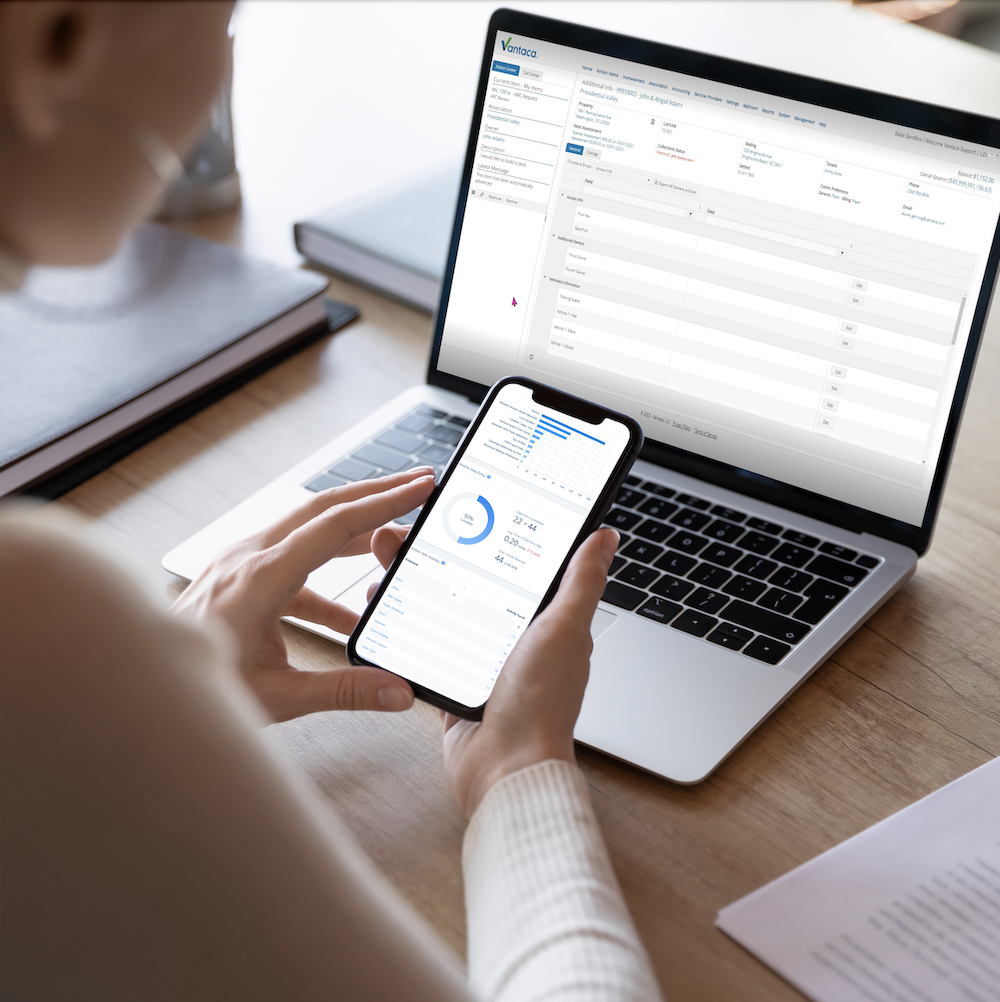
Self-managed homeowners associations administration can be complicated by one tiny workaround at an time. The spreadsheet is a solution to one problem. Another is solved with a group chat. The board then adds online payments as well as shared storage accounting software, a site and a third system to connect with residents.
Volunteers will eventually spend as many hours managing tools as they will managing their community.
The issue isn’t in self management.
Self-management allows a group to be in control of its activities. The problem is that the board members are volunteers, not full-time administrative personnel.
They still have to collect assessments, keep track of the owner’s information, keep track of the expenses, talk to residents, record violations, organize files report, create reports and archive records for future boards.
Good HOA management software should reduce that administrative load without taking control away from the association.
Perfect HOA adopts a cloud-based solution to solve this issue by mixing unit records, financials and payments, communications, resident portals, documents that are not in compliance and meeting record information.
What happens if an owner moves?
Centralized records are a great way to manage the administrative functions of the association. Instead of manually updating an address in a spreadsheet, modifying a different contact list, checking another payment system and manually changing the website access, the information can be applied to all of the administrative functions of the association.
The Treasurer shouldn’t have to rebuild the Financial Picture
When information is not centralized, it can cause similar problems.
Banking transactions are performed in one location. Assessment payments are processed in other places. The budget could be a different spreadsheet. If someone wants to know how the actual spending is compared to the annual budget the treasurer must assemble the answer.
HOA Accounting Software is more beneficial when it’s integrated with the everyday operations of the organization.
Perfect HOA allows you to sync your bank and credit card activities with Plaid. You can categorize the transactions and create reports, including Profit and Loss, Actual vs. Budget and Cash Flow. Reserves, funds for operating and special assessments can be tracked separately.
It’s important to understand that HOA accounting doesn’t mean producing an annual total. A board could need to know whether landscaping costs exceed budget, what amount of money is remaining in a reserve account, or if assessment collections are keeping up with expenses planned.
The quicker answers can be found the less dependent a community is dependent on a spreadsheet created by a volunteer.
Residents shouldn’t need to ask about all things
Centralization can also improve the quality of life for residents.
Think about the routine questions an HOA receives. What are my papers? Did I receive my check? Where can I find the most recent notice? Where can I find association information?
A reputable HOA website builder can do more than just create a home page for the general public. Perfect HOA links the community website to a portal for residents to ensure that the owner’s documents and information are able to be integrated with the management system.
This means that there is no need for two sets of data, one for the board and the web site.
It also means residents have a logical place to look prior to contacting an elected board member on something that already exists.
When things go wrong it is important to keep good track records.
It’s typically months after the initial test when an HOA administration system is put to the test.
A resident disputes an infraction. A person asks if a notification was sent. A new board wants to know the details of the reasoning behind an old decision. An auditor needs financial information. Unexpectedly, the treasurer quits.
Memory is not enough.
Perfect HOA keeps records of communications including delivery information, documents and timelines for violations. The violation can be recorded with photographs, notices and escalation histories, as well as fines. This is better than reconstructing information from emails.
Even board meetings create documents that must be kept. AI-generated meetings minutes reduce the need to manually turn a lengthy meeting in a written document.
People will always be required to make decision when they manage their own HOA. Software cannot take away this responsibility.
It is recommended to eliminate any unnecessary investigation work.
When financial records residents’ information, resident documents, payments, communications violation, and community access reside together, board members spend less time pondering “Who has that?” and more time addressing the issue which requires their expertise.
For a volunteer board, it could be the most valuable automated system of all.